The history
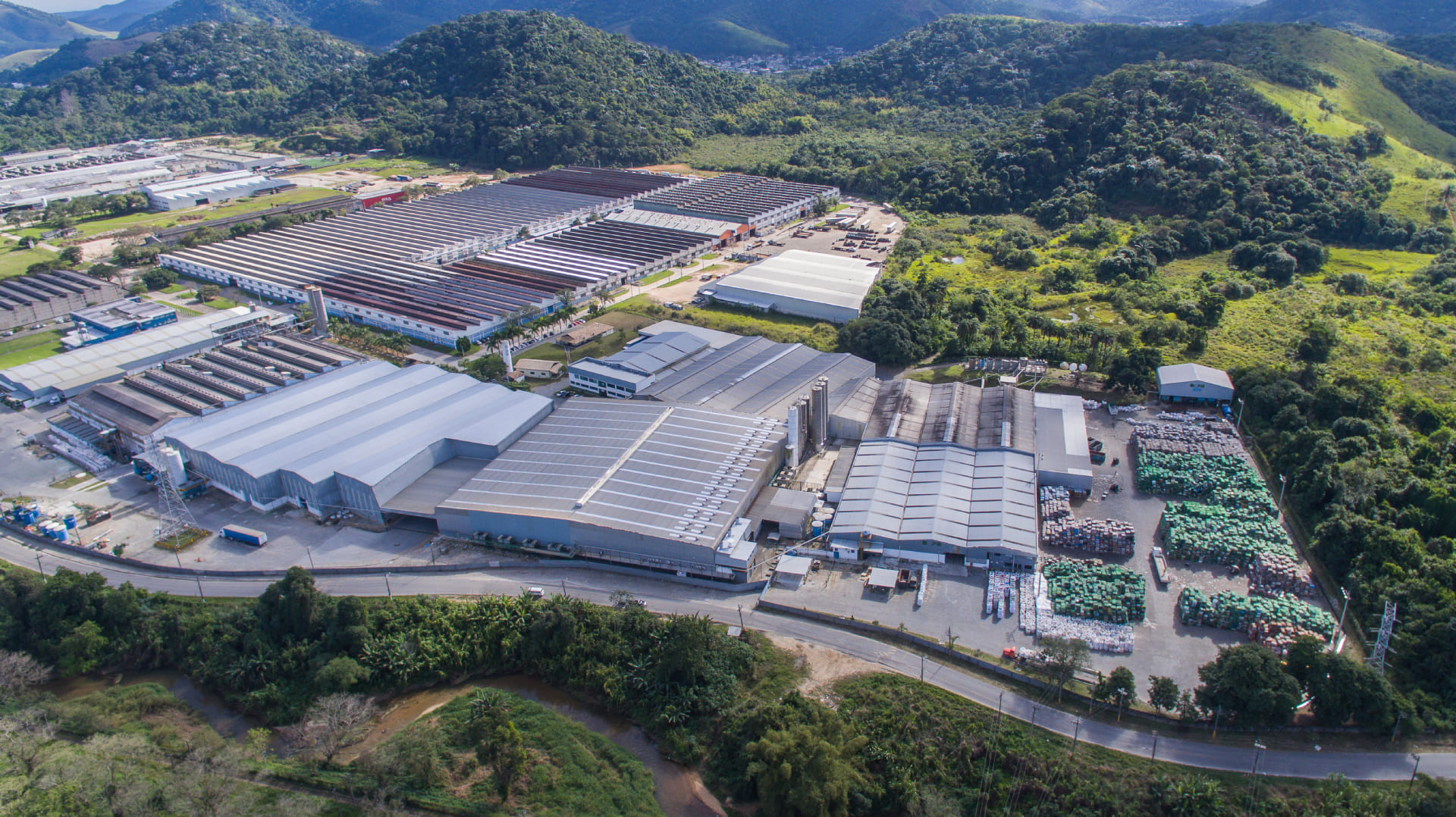
Recycling has always been part of Valgroup's history. In the early 2000s, however, this activity took on a new dimension and became structured as a business, giving rise to the PET Recycling unit in Xerém, Rio de Janeiro.
At that time, the use of recycled PET was beginning to advance in Europe, including in more demanding applications. For Valgroup, this movement represented two major opportunities: To reinforce its commitment to sustainability and develop an alternative raw material capable of competing with virgin resin.
Turning that vision into a viable business, however, required overcoming significant barriers.
INVESTMENT
IN TECHNOLOGY
One of the first challenges was regulatory. At the time, Brazil did not yet allow the use of recycled PET in packaging intended for contact with food. This meant investing in the development of a solution that could not yet be used in one of its main potential markets.
It took approximately eight years of development, testing, and validation before this barrier was overcome. At the end of this process, Valgroup became the first company in Brazil to obtain approval for the use of recycled PET in food contact applications, opening new possibilities for the entire supply chain.
While awaiting approval, it was necessary to develop other markets to make the operation viable. rPET began to be directed towards non-food applications, such as packaging for cleaning and sanitizing products, creating alternatives for business growth during its first years.
Expansion
Geographic
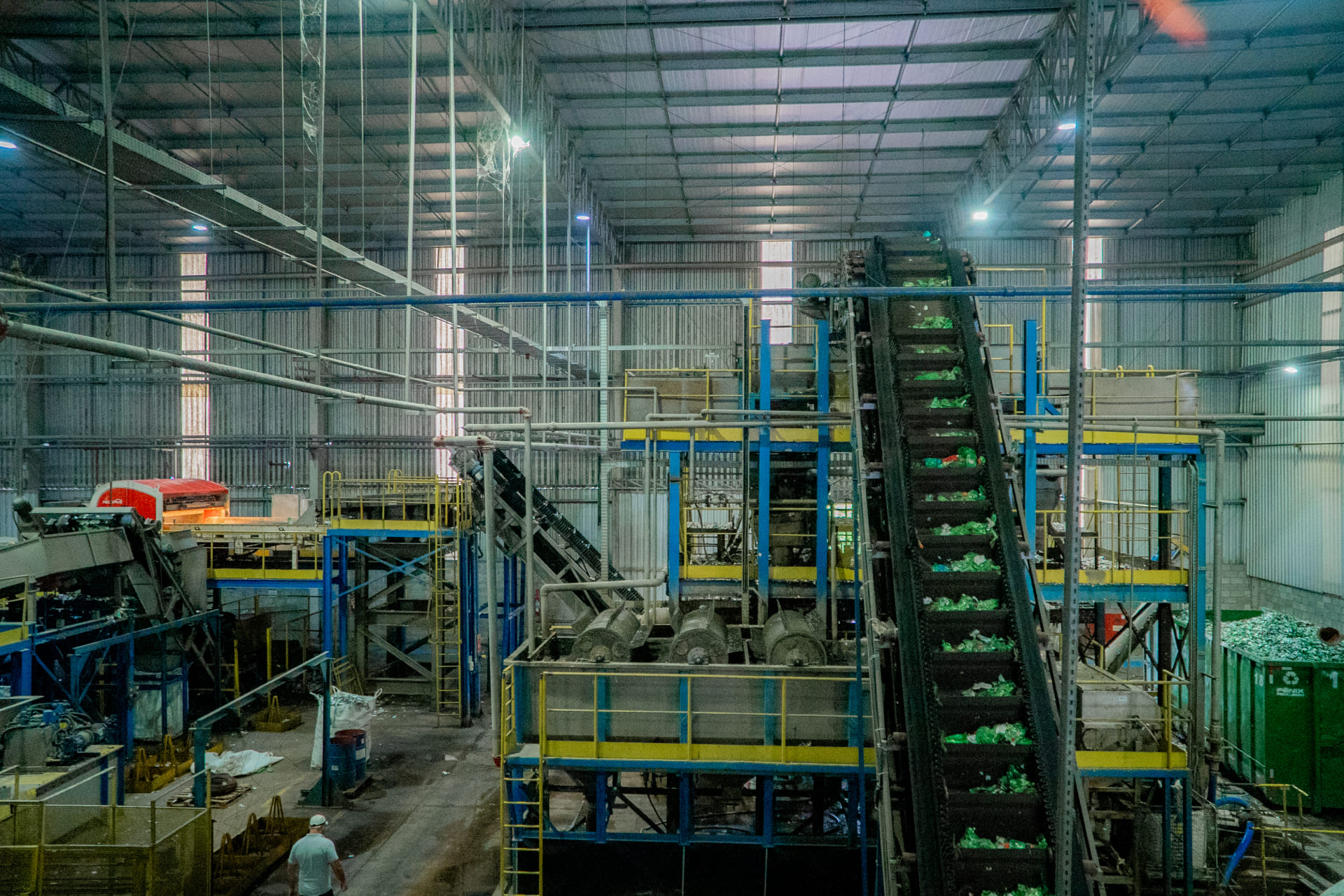
Alongside regulatory advancements, technology also progressed. Valgroup invested in new lines, expanded its production capacity, and developed its own expertise in different stages of the process.
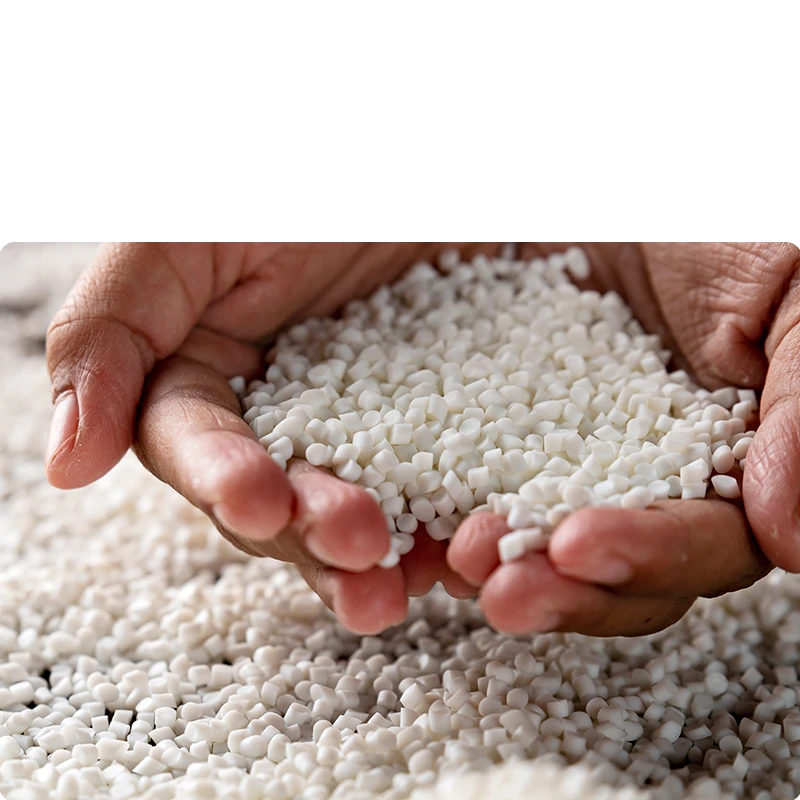
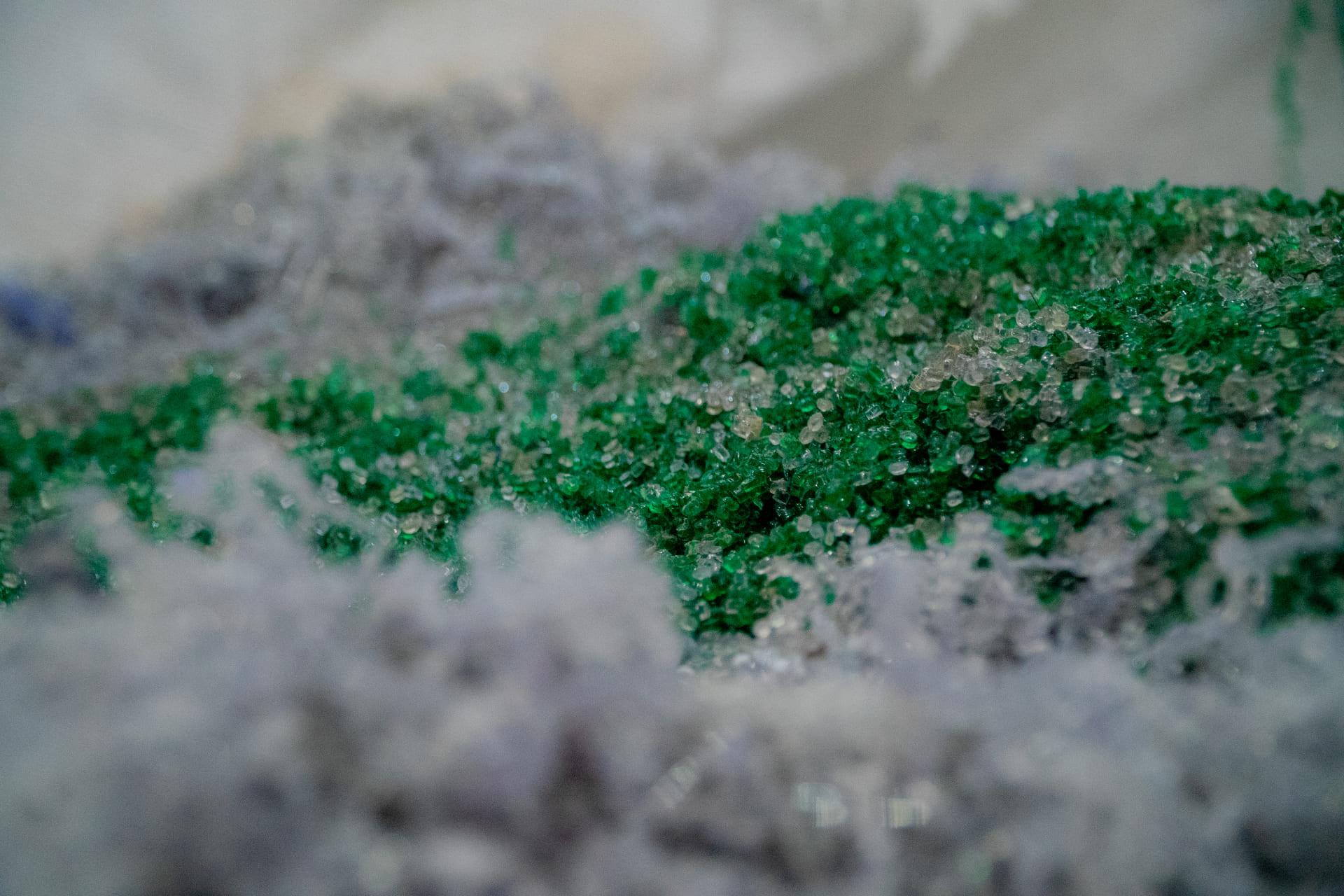
One of the milestones in this evolution was the decision to produce its own PET flakes internally, significantly increasing control over the raw material and the quality of the final product. Improvements in material separation, filtration, and processing systems also contributed to continuously improving the performance of the recycled resin.
With the advancement of technology, the way the market uses rPET has also changed.
Operations
distributed
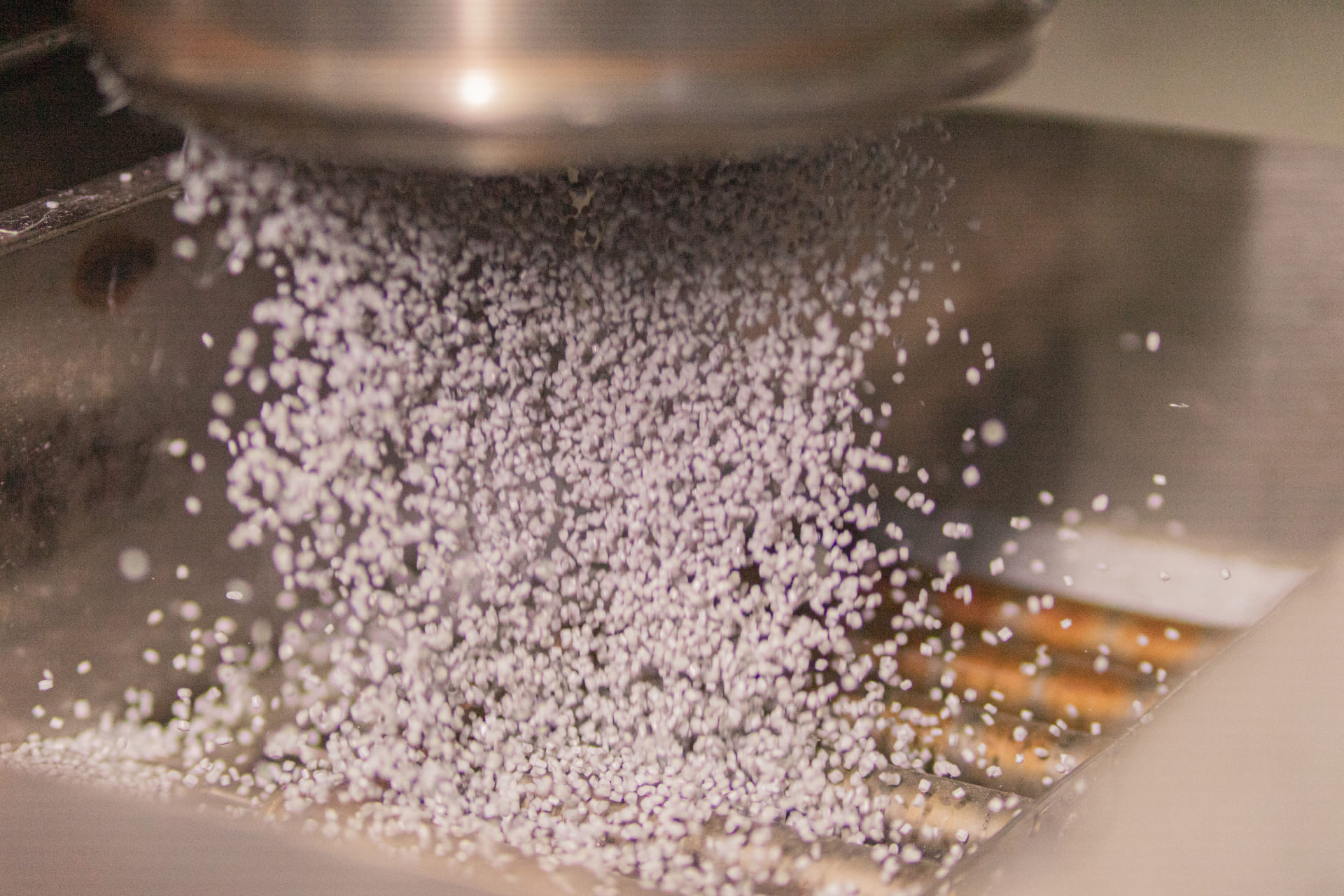
In the early years, quality limitations meant that customers incorporated only small percentages of recycled material into their packaging. Process advancements allowed for a gradual increase in this percentage until, depending on the application requirements, it became possible to work with levels of up to 100% recycled material and achieve performance similar to virgin resin.
This development has transformed the role of recycled material within the supply chain. rPET has come to represent a solution capable of combining performance, circularity, and competitiveness.
At the same time, the operation gained scale. In addition to the unit in Rio de Janeiro, Valgroup expanded its operations to Pernambuco and also to the international market, with operations in Spain and Mexico.
The market's perception of recycled material has also transformed along this trajectory. Major global brands have increasingly recognized the value of sustainability and incorporated rPET into their strategies, creating new opportunities for recycled solutions.
LOOKING at
THE FUTURE
This evolution reinforces a principle that has been present since the unit's creation: to generate impact on a large scale, recycling needs to combine sustainability, quality, and competitiveness.
Looking to the future, the challenge is to continue this evolution: scaling up, improving processes, and maintaining rPET as a viable, competitive, and increasingly relevant solution for the future of packaging and for building a more circular economy.
 Access
 Access
 Access
 Access
 Access
 Access
 Access
 Access